

Industrial CNG Compressors for Filling Stations
Product Overview
The Industrial CNG Compressor is a sophisticated mechanical apparatus designed to elevate the pressure of natural gas, making it suitable for transportation, storage, and various applications. These compressors are integral to the natural gas value chain, playing a pivotal role in the extraction, processing, pipeline transmission, and distribution of gas. Imagine a bustling filling station, with vehicles lined up, ready to refuel. The efficiency of these compressors ensures that the flow of natural gas is as smooth as water gushing through a pipe.
Key Functions of Natural Gas Compressors
- Extraction and Processing: Upon extraction, natural gas undergoes compression to eliminate impurities and prepare for further processing. Think of it as filtering coffee; the cleaner the gas, the better the end product.
- Pipeline Transmission: Compressors are essential for boosting gas pressure, ensuring efficient, long-distance pipeline transportation. Like a turbocharger in a car, they enhance performance, making sure gas reaches its destination swiftly.
- Storage: Compression facilitates the effective storage of gas in underground facilities or tanks. Imagine packing suitcases for a long trip; the more you can compress your clothes, the more you can fit in.
- End-Use Distribution: Compressors deliver natural gas to industrial, commercial, or residential users, promoting seamless energy supply. Picture a delivery truck dropping off essential supplies right on time; that’s the role of compressors in gas distribution.
Types of Compressors
- Reciprocating Compressors: These utilize pistons to compress gas, ideal for high-pressure, low-flow applications. They’re like the heavy lifters in a gym, built for strength.
- Centrifugal Compressors: Utilizing impellers, these compressors increase gas pressure, perfect for high-flow, low-pressure scenarios. It’s akin to a fan; the faster it spins, the more air it pushes.
- Rotary Screw Compressors: These are efficient for medium-flow, continuous operations, providing reliable performance. They operate like a well-oiled machine—smooth and uninterrupted.
- Diaphragm Compressors: Designed for specialized applications, they offer oil-free compression. Think of them as the clean freaks of the compressor world, ensuring no contaminants spoil the gas.
Features and Advantages
- Efficiency: Innovative designs minimize energy consumption, enhancing overall operational efficiency. They truly make every watt count, saving money in the long run.
- Durability: Built to endure high pressures and harsh environmental conditions, ensuring longevity. These compressors are like seasoned warriors; they withstand the battle against wear and tear.
- Safety: Equipped with advanced monitoring systems to guarantee reliable and safe operation. Safety is paramount, akin to wearing a seatbelt while driving; it saves lives.
Customization Options
We welcome customized requests tailored to specific needs. Kindly provide the following details for a tailored solution:
- Flow rate: _______ Nm3/h
- Gas Media: ______ Hydrogen or Natural Gas or Oxygen or other gas?
- Inlet pressure: ___ bar(g)
- Inlet temperature: _____ºC
- Outlet pressure: ____ bar(g)
- Outlet temperature: ____ºC
- Installation location: _____ indoor or outdoor?
- Location ambient temperature: ____ºC
- Power supply: _V/ _Hz/ _3Ph?
- Cooling method for gas: air cooling or water cooling?
Specifications of Various Models
| S/N | Model | Medium | Capacity N m³/h | Inlet pressure MPa | Outlet pressure MPa | Motor power KW | Cooling method | Size mm | Weight T |
| 1 | Model A | Natural Gas | 500 | 2.0 | 25 | 55 | Air Cooling | 1200 x 800 x 900 | 1.5 |
| 2 | Model B | Hydrogen | 300 | 1.5 | 15 | 30 | Water Cooling | 1000 x 700 x 800 | 1.2 |
| 3 | Model C | Natural Gas | 450 | 2.5 | 30 | 60 | Air Cooling | 1100 x 750 x 850 | 1.4 |
Additional Product Offerings
In addition to our exceptional CNG compressors, our company supplies a myriad of industrial products, including agricultural gearboxes, power output shafts, sprockets, hydraulic couplings, worm gear reducers, racks, roller chains, pulleys, planetary gearboxes, timing pulleys, and bushings. We pride ourselves on offering high-quality products at preferential prices, complemented by thoughtful customer service. Just like the Swiss Army knife, we provide versatile solutions to meet various industrial needs. We encourage customers to customize based on their drawings and samples.

Frequently Asked Questions
- What is the primary function of a natural gas compressor?
- Can I customize the specifications of the compressor?
- What types of compressors are available for industrial use?
- How do compressors ensure safety during operation?
- What other industrial products does your company offer?
Performance Characteristics of CNG Compressors
CNG compressors exhibit several performance characteristics that enhance their functionality and efficiency in various applications. Key points include:
- High Efficiency: CNG compressors are designed for optimal performance, often achieving compression efficiencies exceeding 90%. This means they convert a high percentage of input energy into compressed natural gas, minimizing energy loss.
- Durability: Built with robust materials, CNG compressors are engineered to withstand high pressures and continuous operation. This durability ensures a longer lifespan and reduces the frequency of replacements. Think of them as the bodybuilders in the compressor world, built to last.
- Operational Flexibility: They are capable of handling varying flow rates, making them suitable for diverse applications ranging from small fueling stations to large industrial setups. It’s like having a versatile athlete who can excel in multiple sports.
- Compact Design: Many CNG compressors feature a space-saving design, which is particularly beneficial in environments where space is limited, allowing for easier installation and integration. They fit into tight spots like a puzzle piece, maximizing available space.
- Low Emission Levels: CNG is a cleaner fossil fuel, and compressors designed for its use contribute to reduced emissions, aligning with global sustainability goals. Using CNG is like choosing a hybrid car; it’s easier on the planet.
Types and Characteristics of CNG Compressors
There are several types of CNG compressors, each tailored for specific applications:
- Reciprocating Compressors: The most common type, utilizing pistons to compress gas. They are known for their high compression ratios and are suitable for a wide range of pressures, much like a high-performance sports car.
- Rotary Screw Compressors: Employing two meshing screws, these compressors provide continuous gas flow and are favored in applications requiring constant pressure. They’re like a reliable friend who’s always there when you need them.
- Scroll Compressors: Utilizing spiral elements, scroll compressors are smaller and quieter, making them ideal for residential fueling stations. Think of them as the quiet achievers, getting the job done without making a fuss.
Each type offers unique advantages, such as energy efficiency, maintenance ease, and operational costs. The choice of materials in CNG compressor construction also plays a significant role in their performance. For instance, compressors made from stainless steel are known for their resistance to corrosion and durability, while aluminum compressors are lightweight and easier to transport, though they may not withstand as high a pressure. It’s like choosing between a sturdy backpack and a lightweight one for a hiking trip; both have their places.
Applications of CNG Compressors
CNG compressors are pivotal in various sectors, highlighting their significance:
- Natural Gas Transportation: CNG compressors facilitate the transportation of natural gas by compressing it for easier storage and transport, ensuring energy is delivered efficiently. Picture a delivery truck loaded with fresh produce zooming down the highway; that’s the efficiency we’re aiming for!
- Fueling Stations: They play a crucial role in CNG fueling stations, providing the necessary compression to dispense fuel to vehicles quickly and efficiently. Just like a well-timed pit stop in a race, efficiency here is key.
- Industrial Applications: Many industries utilize CNG compressors for processes requiring natural gas, such as manufacturing and power generation, optimizing operational efficiency. It’s similar to how a chef needs reliable tools to whip up a meal—efficiency is essential.
- Gas Distribution Networks: CNG compressors maintain pressure within distribution networks, ensuring a consistent supply of natural gas to consumers. Think of them as the heart of a city, pumping essential resources where they are needed most.
- On-Site Power Generation: They are also used in combined heat and power systems, converting natural gas into electricity and heat for industrial processes. It’s like having a mini power plant right at your fingertips, ensuring energy availability.
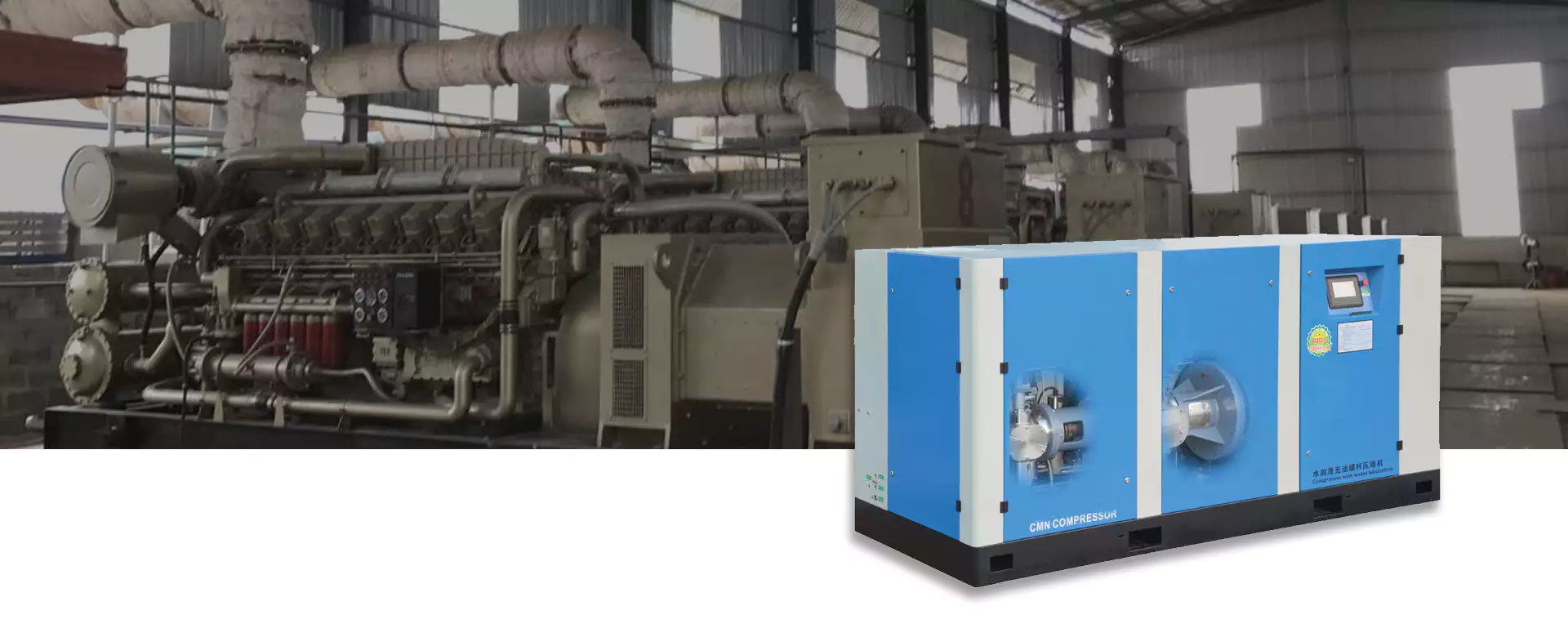
Future Development Trends and Opportunities for CNG Compressors
The CNG compressor industry is poised for significant growth, driven by increasing demand for cleaner energy sources and technological advancements. Future trends include:
- Integration of Smart Technology: The incorporation of IoT technology will enable real-time monitoring and predictive maintenance, enhancing operational efficiency. Imagine being able to check your compressor’s health from your smartphone—convenient, right?
- Improved Energy Efficiency: Ongoing research aims to develop compressors with superior energy-saving capabilities, reducing operational costs and environmental impact. It’s like upgrading your old light bulbs to LEDs; the difference is remarkable.
- Adaptation for Renewable Gases: As the energy landscape shifts, CNG compressors will likely evolve to accommodate renewable gases such as biogas, broadening their application scope. It’s the industry’s way of keeping up with the times, much like how smartphones evolved to include cameras.
Industry prospects indicate robust growth as governments worldwide emphasize reducing carbon footprints, presenting opportunities for manufacturers to innovate and expand their offerings. Just as the tides of change shift, so too does the CNG compressor market adapt and grow.
Choosing the Right CNG Compressor
When selecting a suitable CNG compressor, consider the following aspects:
- Flow Rate (Capacity): Assess the required flow rate for your application to ensure the compressor meets the demand without overworking. It’s like getting the right size of shoes; you want the perfect fit.
- Compression Pressure: Different applications require different pressure levels; ensure the compressor can achieve the necessary compressive force. Think of it as needing a specific tool for a job; the right pressure makes a world of difference.
- Compressor Type: Choose between reciprocating, rotary screw, or scroll compressors based on your specific needs and operational environment. It’s about aligning your needs with what’s available, like finding a good match in dating.
- Energy Efficiency: Opt for models that provide high efficiency to minimize operational costs and environmental impact. Just like a fuel-efficient car saves you money, an efficient compressor does the same.
- Maintenance Requirements: Consider the maintenance demands of each type; some models require more frequent servicing than others. It’s akin to choosing a pet; some require more care than others.
- Noise Level: For installations in residential or sensitive areas, select a compressor with low noise output to comply with local regulations. You wouldn’t want noisy equipment disturbing the peace, right?
Conclusion
CNG compressors are essential components in the natural gas supply chain, offering efficiency, durability, and versatility across a myriad of applications. Understanding their performance characteristics, types, advantages, and future development trends will aid in making informed decisions for acquisition and implementation. As the demand for cleaner energy continues to rise, CNG compressors will remain integral to advancing sustainable energy solutions. It’s a win-win situation for both businesses and the environment.
Author: Dream
All the content of the page is from the Internet; the content is only as a reference for product selection. Our products are replacement parts and not original spare parts; we are not the holder of the original trademarks of the content. Our products are only suitable for after-sales replacement parts and not original spare parts. Our replacement parts can be perfectly adapted to the original spare parts. If you need to buy original spare parts, please contact the original factory to buy. If you want to buy original spare parts, please contact the original supplier for purchase.